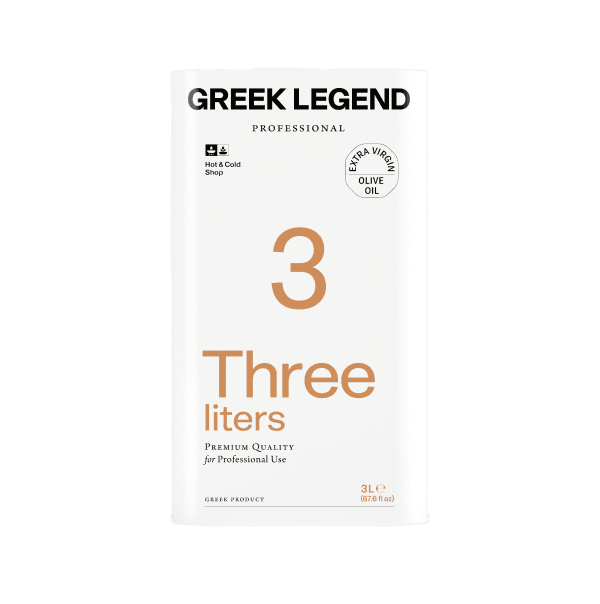
Capacity: 1 000, 1 500, 3 000 ml
Profi is an oil designed for the professional kitchen. It is ideal for everyday dishes as well as for exquisite restaurant masterpieces
Taste
The oil has a sweet, fresh olive flavor with a slight bitterness and a hint of herbaceousness, making it versatile and suitable for a wide variety of recipes. The pleasant aroma emphasizes the natural taste of the ingredients.
olive oil smoke point
Cooking with unrefined olive oil
Cooking with unrefined olive oil
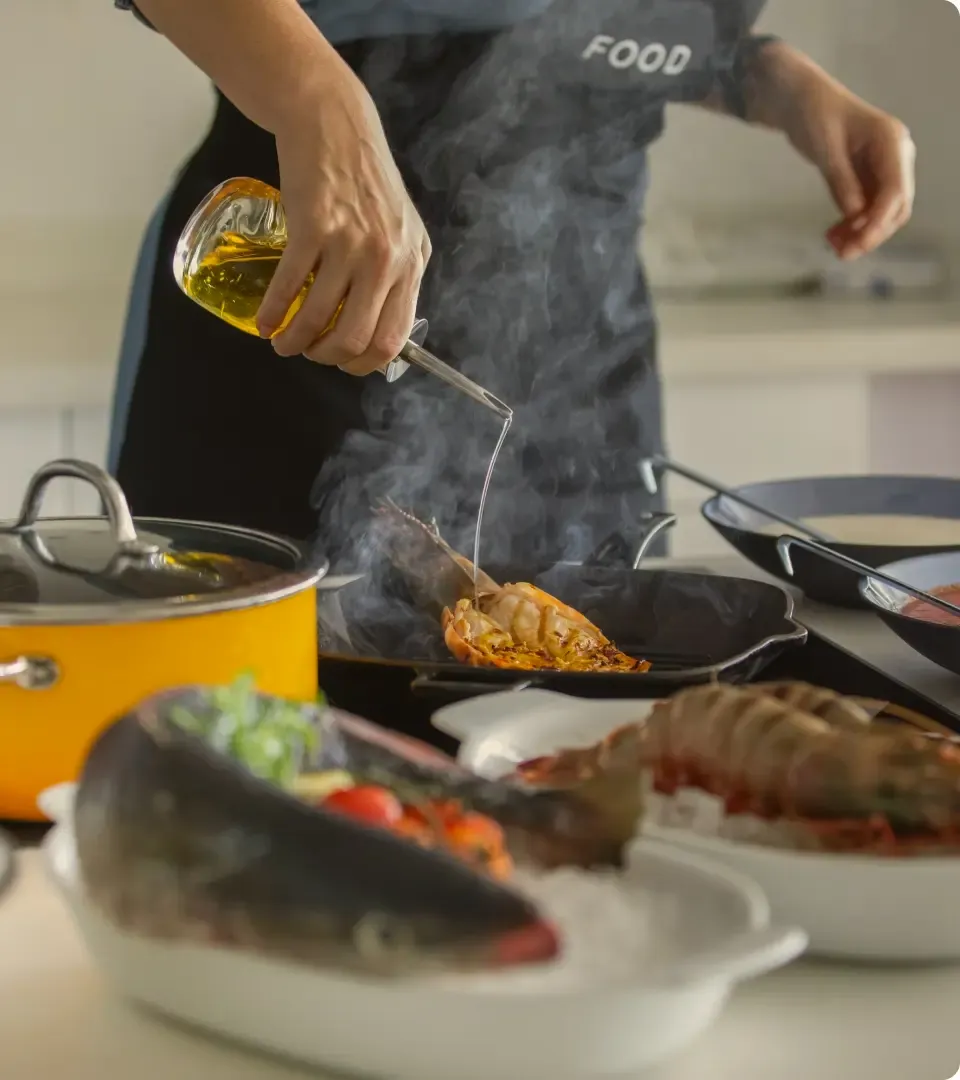
Unrefined oil preserves natural substances, makes dishes healthier and richer in flavor.
Most everyday dishes (frying vegetables, meat, fish, stewing, cooking sauces) are cooked at temperatures at which unrefined oil shows its best qualities.
Advantages
Retains most of its beneficial substances at low to medium temperatures
(up to 180-200°C)
(up to 180-200°C)
Products
Professional 1 000 ml
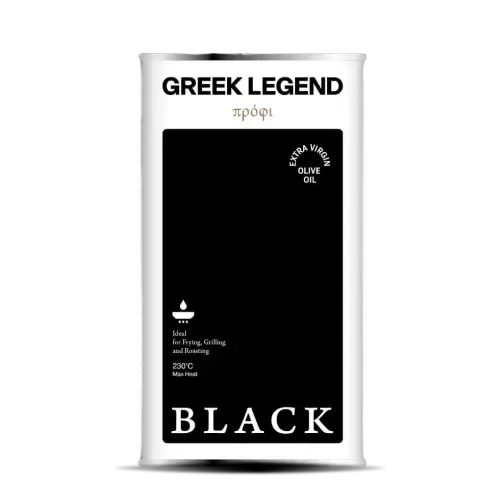
Professional Black
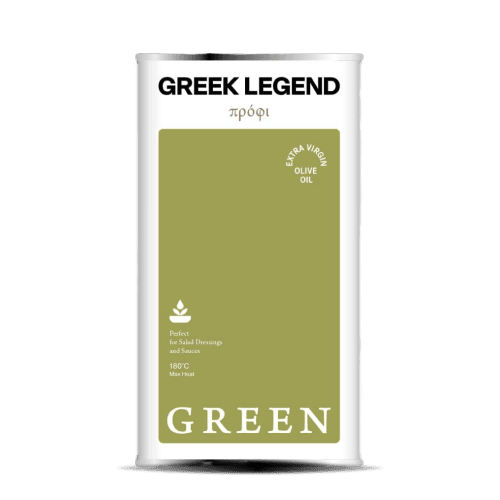
Professional Green
Professional 1 000 ml
Professional Black
Professional Green
Why unrefined oil smokes
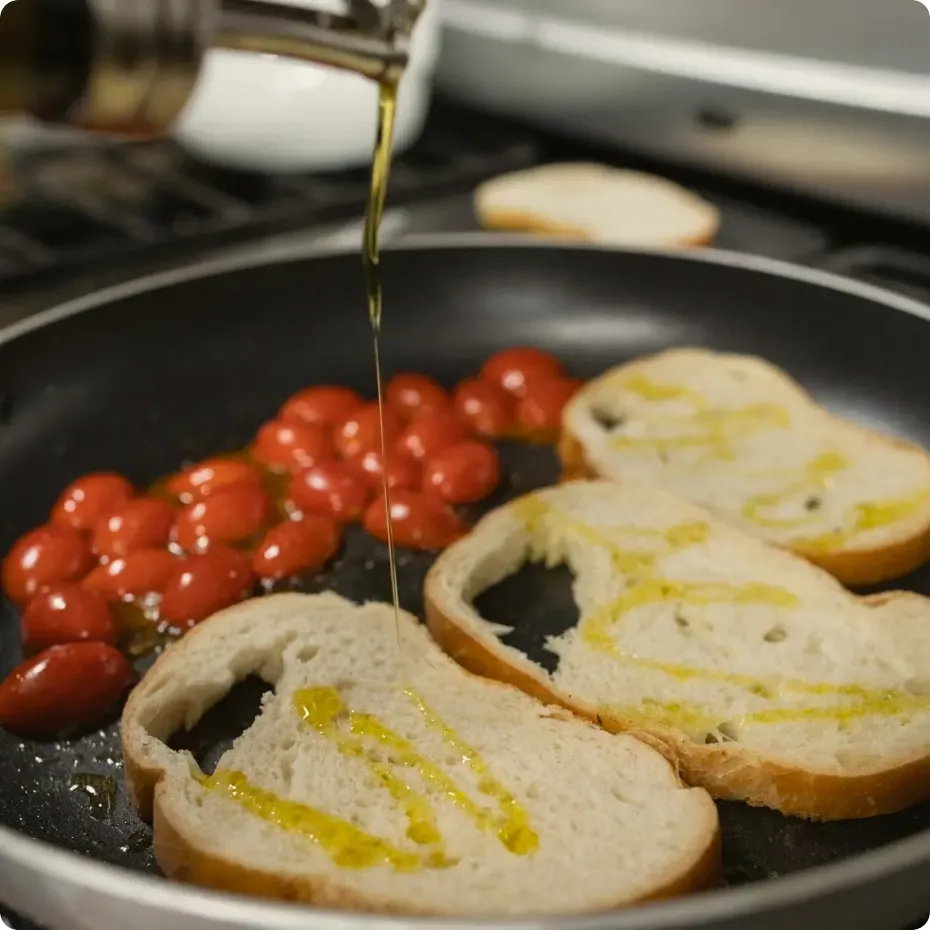
Smokiness — is a natural property of live olive oil, which is not chemically processed.
The main causes are:Presence of impurities (water, olive solids)High content of polyphenols and other natural antioxidants that are sensitive to temperatureThe freshness of the oil, as it retains all the biologically active substances
How to avoid smokiness:Use medium temperatures (up to 180°C)Do not overheat the oilFry on pre-dried foods
Cooking with benefits
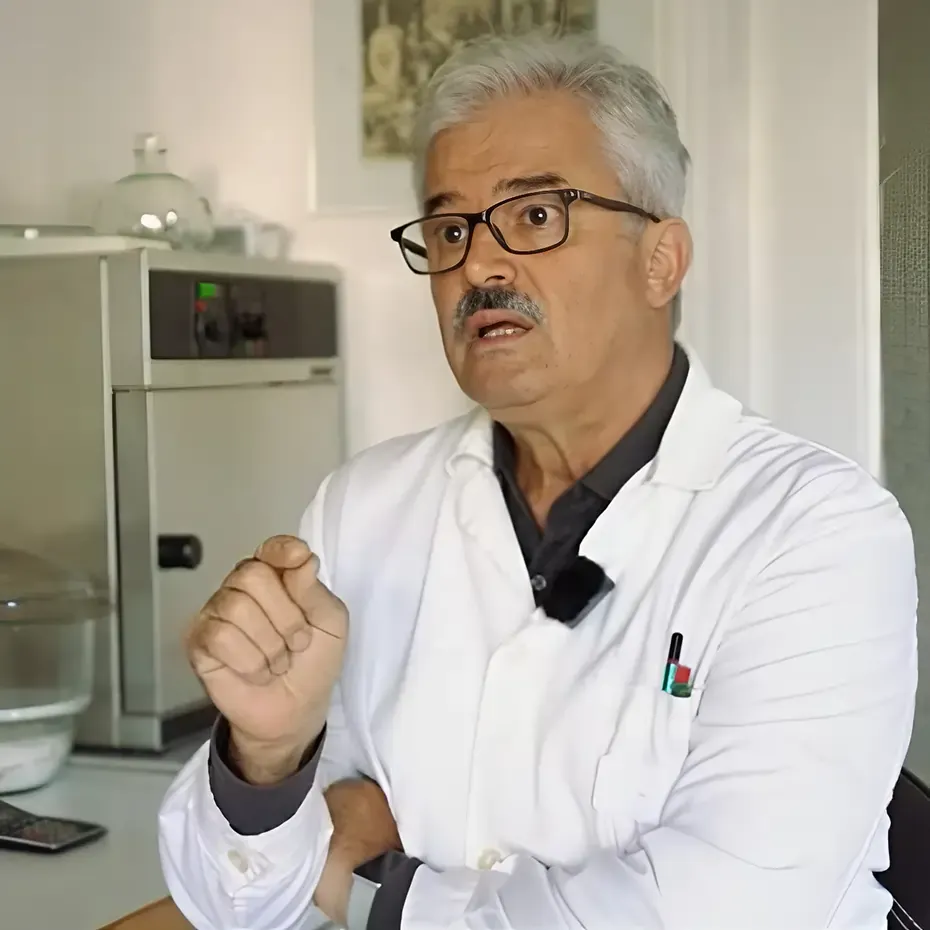
«Unrefined olive oil retains significant amounts of antioxidants such as hydroxytyrosol and oleocanthal, even when heated. These substances have anti-inflammatory and cardio-protective properties.
Cooking vegetables in olive oil improves the absorption of fat-soluble vitamins (such as vitamin D) and antioxidants, increasing their bioavailability.»
Professor
Farmaris Dubis
Gastroenterologist and Professor of Medical Sciences
- «Unrefined olive oil retains significant amounts of antioxidants such as hydroxytyrosol and oleocanthal, even when heated. These substances have anti-inflammatory and cardio-protective properties. Cooking vegetables in olive oil improves the absorption of fat-soluble vitamins (such as vitamin D) and antioxidants, increasing their bioavailability.»Professor Farmaris DubisGastroenterologist and Professor of Medical Sciences
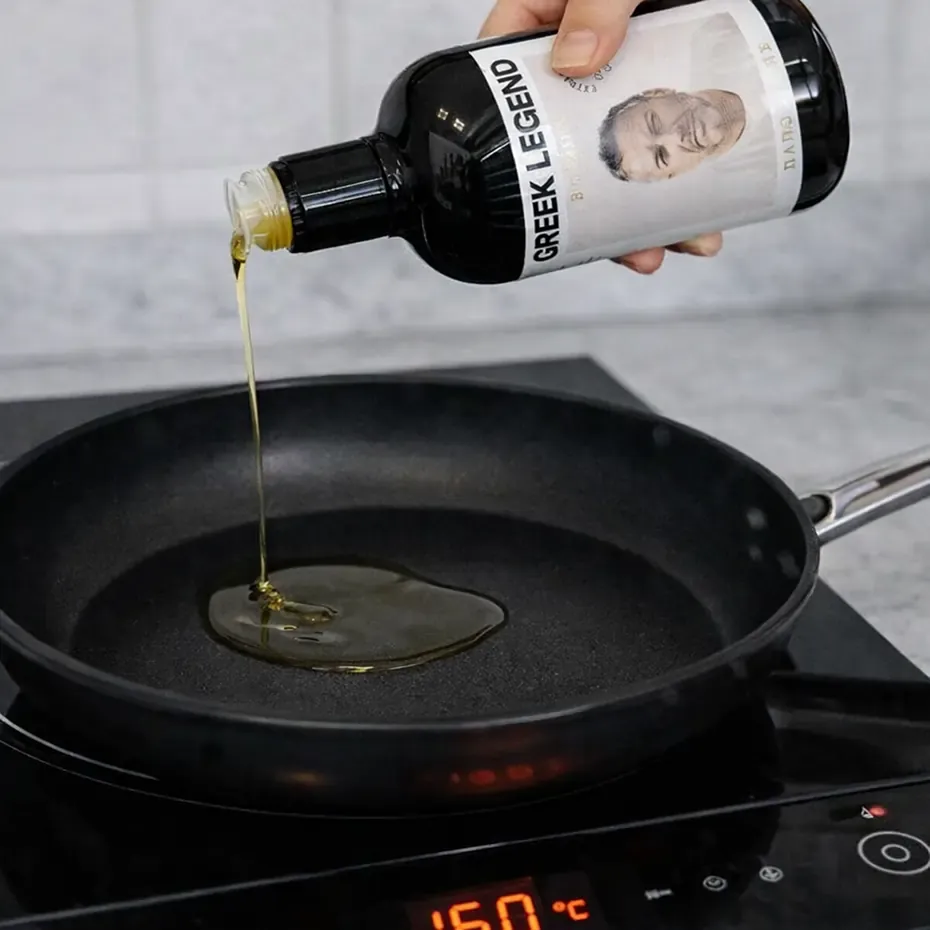 For safe and beneficial cooking with unrefined olive oil, it’s important to avoid high temperatures, as it begins to smoke at 160-180°C. It’s best used for salad dressings, steaming, or adding to already-prepared dishes to preserve antioxidants, polyphenols, and vitamins. If heat is necessary, opt for low-heat simmering. This approach maximizes health benefits without sacrificing the oil’s flavor or nutritional properties.
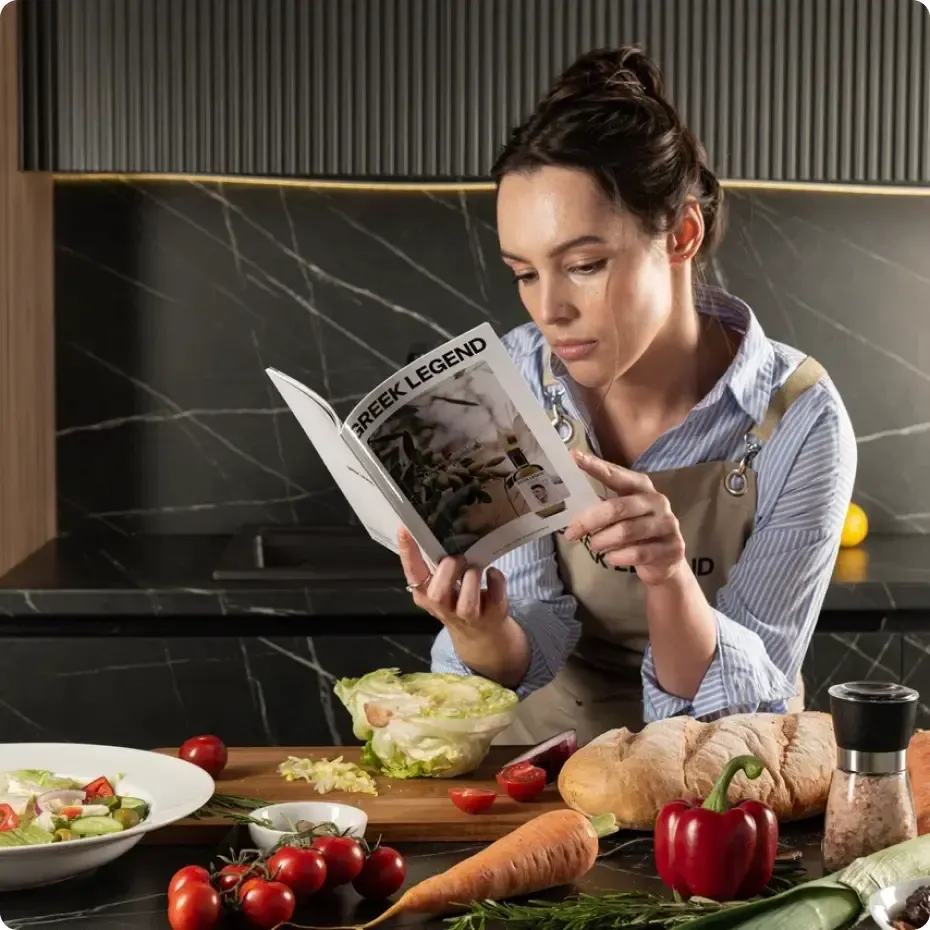
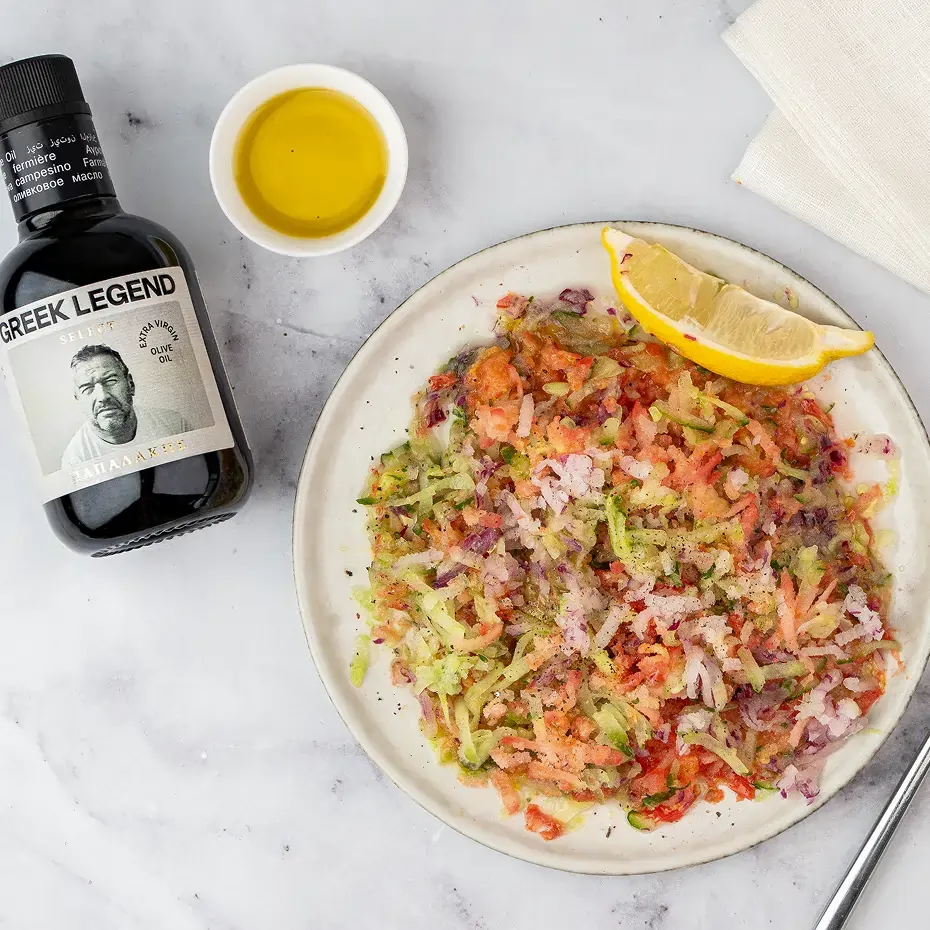 Olive oil has a unique ability to enhance the taste and nutritional benefits of vegetables thanks to its aromatic and nutrient-rich qualities. It highlights the natural sweetness and freshness of vegetables, enriching dishes with a subtle bitterness and fruity notes. Additionally, the fats in olive oil aid in the absorption of fat-soluble vitamins (A, D, E, and K) found in vegetables like carrots, spinach, and broccoli. This makes dishes not only tastier but also more nutritious, elevating them to a new level of culinary delight.
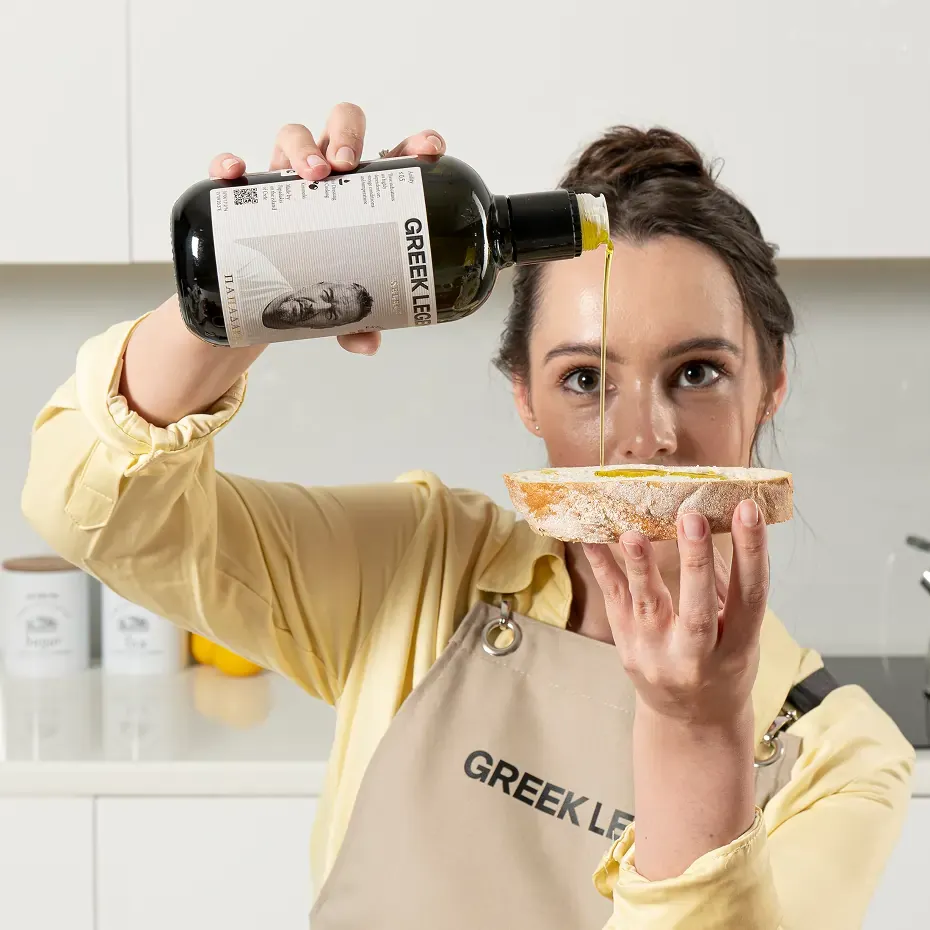 Olive oil is perfect for a wide range of cooking techniques, from salad dressings to frying, simmering, and baking. Its light yet rich flavor pairs well with meat, fish, pasta, and is even used in sauces and desserts. The variety of olive oil types allows you to choose the right option for different dishes, from mild to more pronounced flavors.
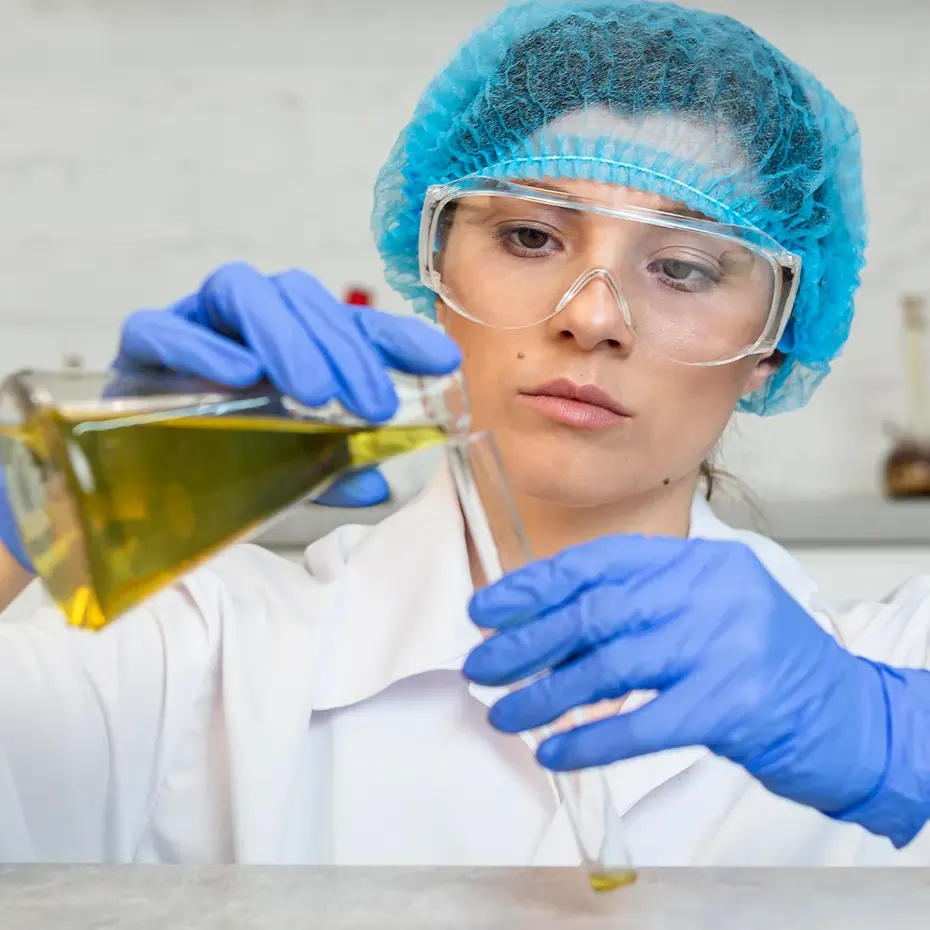 Scientific studies show that cooking with olive oil can offer numerous health benefits. For example, many studies have confirmed that olive oil is rich in monounsaturated fats and antioxidants like polyphenols, which help reduce inflammation and support cardiovascular health. It also combats oxidative stress, lowering the risk of chronic diseases like type 2 diabetes and Alzheimer’s.However, researchers are also studying the effects of high heat on olive oil’s nutritional properties. Despite its resilience, temperatures above 180°C can lead to the loss of some beneficial compounds, and prolonged heating may degrade polyphenols and other antioxidants. Therefore, many studies recommend using olive oil for gentler cooking methods, such as simmering or baking at low heat, to preserve its benefits and avoid the formation of harmful substances.